Having a strong mindset means developing a constructive, growth-oriented and success-focused mental attitude across different areas of life. The word “mindset” combines “mind” and “set” and refers to the way our mind is oriented and, consequently, how we interpret and respond to different experiences in life.
In other words, mindset is the mental framework or perspective through which we approach situations, challenges and opportunities.
There are many ways to develop an effective mindset: reading personal development books, attending courses or working with a professional who helps people identify and strengthen the mental patterns that support growth and achievement, such as a Coach.
A Coach acts as a catalyst for development and personal empowerment, helping people identify limiting beliefs and unhelpful thought patterns that may interfere with progress and the achievement of their goals.

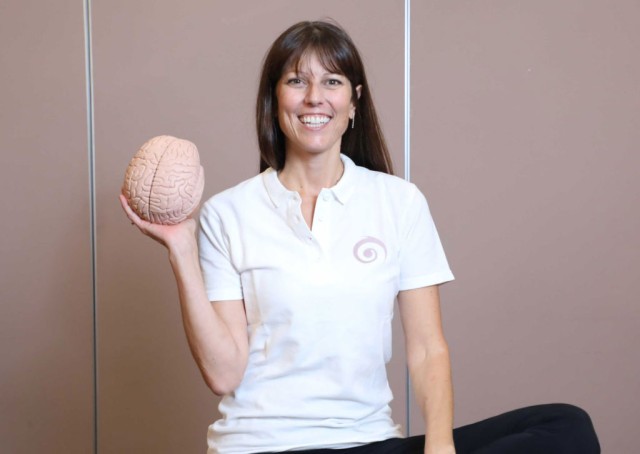
Claudia Vece, CEO of Quantasia SA
What Are the Characteristics of a Strong Mindset?
Optimism can play an important role in achievement, as it encourages us to focus on possibilities and solutions rather than becoming trapped in problems. A constructive outlook can also influence the way we approach people, situations and opportunities.
Resilience enables us to face challenges and overcome obstacles without allowing setbacks to define us.
A resilient person sees failure not as a final outcome, but as part of the learning process: an opportunity to understand what happened, adapt and find a better way forward. In this sense, setbacks can become opportunities to approach a challenge with new awareness and strategies.
The desire for continuous improvement creates a mindset oriented towards growth. A strong mindset is based on the understanding that skills and abilities can be developed through commitment, practice and continuous learning. Change is therefore seen not simply as disruption, but as an opportunity for progress.
Self-awareness means becoming conscious of your thoughts, emotions, attitudes and behaviours. Greater awareness allows you to recognise both strengths and areas for improvement and to work on yourself with greater consistency and intention.
A solution-oriented mindset helps us respond to problems and difficult situations with greater flexibility and creativity, directing our attention towards what can be changed, developed or improved.
Gratitude is not only an emotion, but also a mental attitude. It helps direct attention towards what is meaningful and positive in our lives rather than focusing exclusively on difficulties or what is missing. Learning to appreciate and acknowledge what we have can broaden our perspective and contribute to a greater sense of well-being.
True determination belongs to those who are able to define their own goals and persevere in pursuing them. A determined mindset supports focus, consistency and the ability to translate intentions into concrete action and results.
These are just some of the characteristics of an effective mindset. Developing a more constructive and growth-oriented way of thinking can support psychological well-being, improve performance and help us approach personal and professional goals with greater awareness and confidence.
If you feel the need to evolve the way you think, overcome limiting beliefs or transform negative thought patterns that may be holding back your progress, you can turn to Quantasia SA's Coaching Centre in Lugano, Ticino.
Through a personalised coaching journey, we can help you recognise mental barriers, develop new internal resources and build a more resilient, constructive and success-oriented mindset.