Meditation comes from the Latin meditari, related to mederi, meaning “to heal” or “to care for.” It refers to the practice of focusing the mind deeply and intentionally on an object of thought. It means exploring an issue in depth, investigating its nature and evolution in order to understand its essence, gain insight and create more conscious outcomes in our lives.
Over the centuries, many different forms of meditation have emerged from cultures and traditions around the world. These include guided meditation, mantra meditation, spiritual meditation, mindfulness, Transcendental Meditation, Vipassana, chakra meditation, yogic meditation and candle-gazing practices, among many others.
Different forms of meditation can offer benefits for psychological, physical and emotional well-being. Some practices focus primarily on relaxation and breathing, others on emotional awareness, while others cultivate mindfulness and the ability to bring attention back to the present moment.
What Does It Mean to Meditate?
Meditation is a skill that develops through practice. For minds accustomed to moving constantly from one task to another, shifting from the acceleration of “doing” to the stillness of simply “being” can initially be challenging.
Meditating means learning to quiet the continuous flow of mental activity, creating an inner space of calm, silence, restoration and connection with oneself.
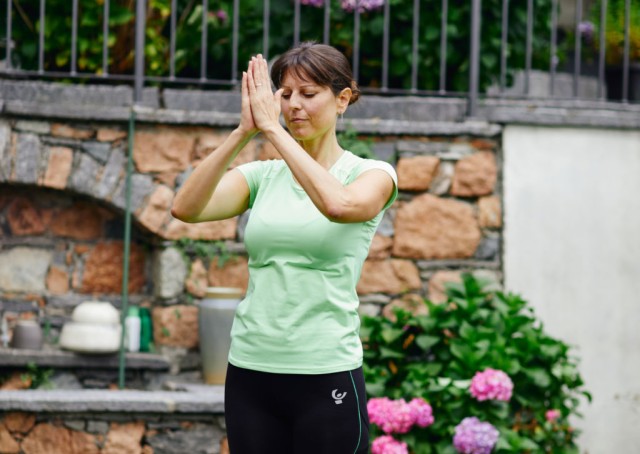
Entering a meditative state can therefore be understood as being present and consciously connected with yourself in the here and now. It is a condition in which attention moves away from constant external stimulation and towards a deeper awareness of the body, thoughts and emotions.
The more consistently you practise meditation, the more opportunities you create to explore your inner world, understand your emotional responses, clarify your values and recognise what genuinely matters to you. Meditation can become a space for greater self-awareness and a more authentic relationship with yourself.

What Does Entering a Meditative State Actually Mean?
Entering a meditative state involves learning to influence your level of physiological and mental activation through practices such as breathing, focused attention, visualisation and relaxation.
Meditation often begins by closing the eyes and directing attention inward. Depending on the technique or tradition, this may involve observing the breath, bodily sensations, thoughts or a specific point of focus.
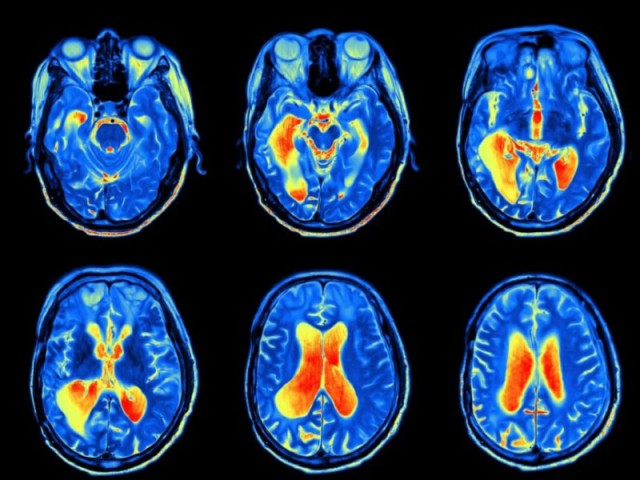
Through repeated practice, the ability to observe internal experiences without immediately reacting to them can become stronger. As relaxation deepens and attention stabilises, patterns of brain activity can also change.
Research using electroencephalography (EEG) has observed changes in alpha and theta brain-wave activity during certain forms and stages of meditation. Alpha activity is commonly associated with relaxed wakefulness, while theta activity can occur during deeper relaxation, drowsiness and some meditative states.
Rather than “switching off” the brain, meditation trains attention and awareness, creating conditions in which habitual patterns of thought and emotional reaction can be observed from a different perspective.
This can create an opportunity to develop new interpretations, responses and ways of relating to past experiences, bringing greater awareness into the present.
Different meditation practices can therefore be understood as systematic methods for training attention, awareness and emotional regulation. By exploring our inner experience, we can return to everyday life with new perspectives, greater clarity and additional internal resources.

Why Dedicate Fifteen Minutes a Day to Meditation?
Scientific research has associated regular meditation practice with a range of psychological and physiological benefits. In particular, meditation and mindfulness-based practices may contribute to reducing perceived stress and anxiety, improving emotional regulation and supporting attention and concentration.
Regular practice can also support greater awareness of thoughts and emotional responses, helping us recognise automatic reactions before acting on them.
Meditation has additionally been studied in relation to sleep quality, stress management, psychological well-being and some aspects of physical health. The effects can vary considerably depending on the individual, the type of meditation practised and the consistency of the practice.
Even a relatively short daily practice can therefore become an opportunity to slow down, reconnect with yourself and cultivate greater mental and emotional balance.
What Is Neuro-Emotional Meditation and What Benefits Can It Bring to Our Lives?
Neuro-Emotional Meditations are active practices designed to combine focused attention, breathing, body awareness and emotional engagement.
Compared with more traditional meditation practices based primarily on stillness and passive observation, Neuro-Emotional Meditation adopts a more active and experiential approach. It can be thought of as a form of mental and emotional training, in which the body plays an important role alongside the mind.
Specific practices may incorporate breathing techniques, attention to bodily sensations and exercises designed to promote greater physiological and emotional coherence. The aim is to help participants become more aware of their internal states and develop a greater ability to regulate them intentionally.
Through the transition from predominantly cognitive processing towards deeper bodily and emotional awareness, these practices aim to create the conditions for recognising habitual emotional patterns, limiting beliefs and automatic responses.
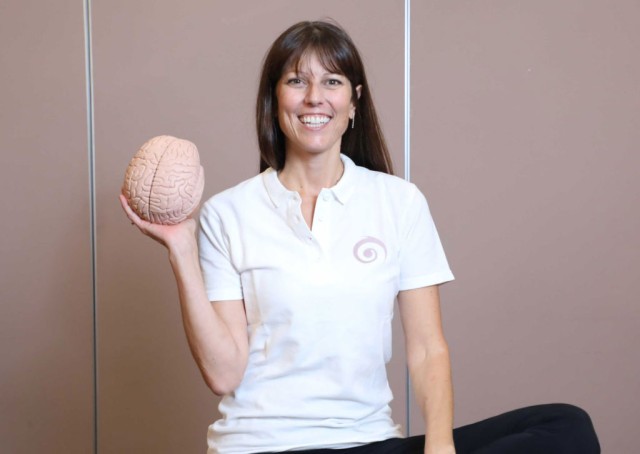
In my book Neuro-Emotional Transformation, I explore these themes in greater depth, examining the relationship between thoughts, emotions, the body and our perception of reality, while also introducing an initial practice that can be performed independently.
Neuro-Emotional Meditation is designed to cultivate specific states of attention, emotional awareness and physiological regulation that can support more constructive mental and emotional responses and contribute to a greater sense of well-being.
Today, many meditation techniques can be practised independently at home. With consistency, they can become part of a broader personal-development routine aimed at increasing awareness, emotional balance and the ability to respond more consciously to everyday experiences.
Learning to work intentionally with attention, breathing and emotional awareness can be particularly valuable for people seeking greater well-being, self-awareness and quality in their relationships. Neuro-Emotional Meditation aims to cultivate a more mature, grounded and present awareness, supporting a more conscious way of relating to oneself and others.
Meditation and emotional self-regulation practices are also increasingly present in leadership and organisational contexts. Managers and professionals may use these techniques to develop greater focus, presence and emotional stability when working towards demanding objectives.
Quantasia SA, based in Lugano, Ticino, specialises in Neuro-Emotional Education and offers individual and group coaching and training programmes for both private clients and organisations. The programmes are designed to support people in developing greater awareness, emotional regulation and sustainable performance.
If you would like to explore these topics further, feel free to contact me. I would be happy to answer your questions.