Claudia Vece - Your Neuro Emotional Trainer

Understanding the connection between mind, emotions and physical health to create a more balanced and fulfilling life

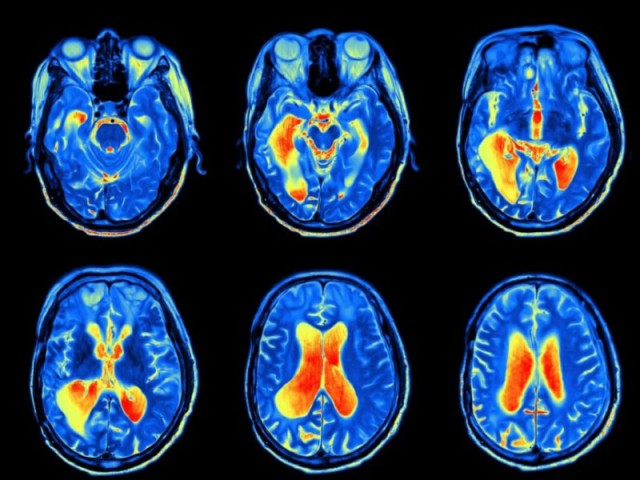
Throughout life, we may encounter challenges and inner conflicts that can affect us both psychologically and physically. This phenomenon, often described in terms of psychosomatic symptoms, highlights the complex interaction between mind and body and the ways in which psychological and emotional states can influence physical well-being.

Psychosomatic symptoms are real physical symptoms that may be influenced or intensified by psychological and emotional factors. Stress, anxiety, fear, insecurity and unresolved emotional tension can affect the way we experience our bodies and, in some cases, contribute to persistent physical discomfort.

When psychological and emotional stress persists over time, it can have a significant impact on physical well-being and on the way the body responds to everyday demands.

The complexity of these conditions lies in the fact that physical symptoms can have multiple causes and should always be appropriately assessed from a medical perspective. Recurrent headaches, muscle tension, gastrointestinal discomfort, skin problems, back pain and other physical symptoms may sometimes be associated with stress or emotional factors, but they can also have underlying medical causes that require professional evaluation.

One author who has explored the symbolic relationship between emotional experiences and physical symptoms is psychotherapist Jacques Martel, author of The Complete Dictionary of Ailments and Diseases. His work offers a perspective for those interested in reflecting on the possible emotional dimensions associated with physical discomfort.

Can Coaching Support Greater Awareness of the Mind-Body Connection?

Although coaching does not diagnose, treat or cure health conditions, it can provide valuable support in developing greater awareness of the relationship between thoughts, emotions, behaviours and physical well-being.

By exploring internal conflicts and recurring patterns through tools such as Mental Coaching and Neuro-Emotional Training, it is possible to develop greater emotional regulation, reduce perceived stress and create a more balanced relationship with one's internal experience.

Working on inner patterns and developing more functional ways of responding to thoughts and emotions can contribute to greater psychological well-being and may positively influence how stress is experienced in the body.

Personal development through coaching can help improve thought processes, emotional awareness and the ability to respond more consciously rather than react automatically, supporting a greater sense of inner balance and reducing the psychological burden associated with stress and anxiety.

Coaching therefore does not treat psychosomatic symptoms themselves. Instead, it works on mental patterns, emotional regulation and personal awareness. This can help people identify and transform some of the psychological and behavioural dynamics that may contribute to stress and affect their overall well-being.

Personal growth expands self-awareness and opens new possibilities for change and transformation, helping us develop our potential both personally and professionally.

With Quantasia SA's Neuro-Emotional Life Coaching in Lugano, you can work in depth on limiting patterns, activate new personal resources and transform resistance into opportunities for growth. If you feel stuck, are facing an important transition, or want to explore your personal or professional life from a new perspective, a coaching journey can provide a structured space for reflection and development.

Contact us using the form below to discover how we can work together on a personalised path for your personal growth and development.


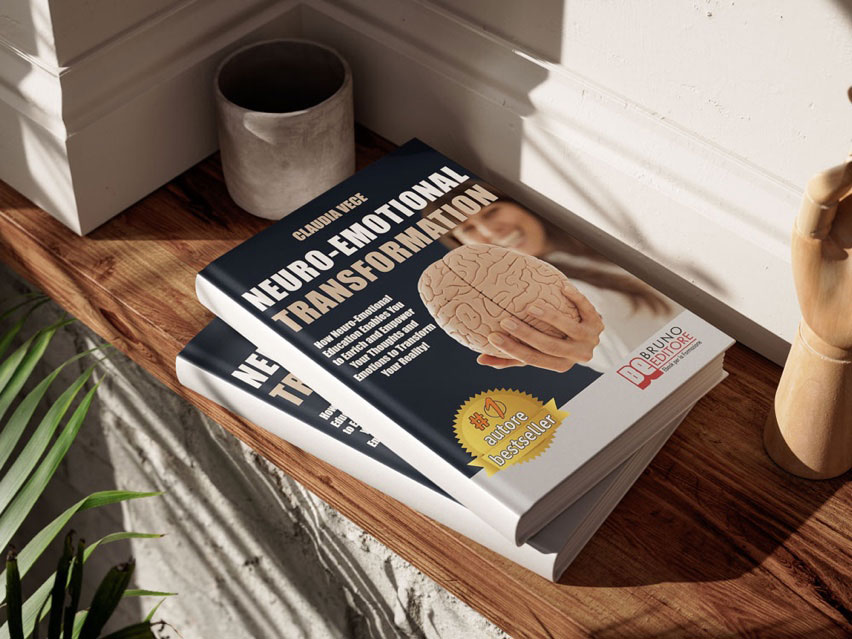
Amazon.it Best Seller

Neuro-Emotional Transformation

How Neuro-Emotional Education empowers your thoughts and emotions to transform your reality!

Neuro-Emotional Transformation

Are you ready to return to the centre and, from there, shape the future?

Sign up for our newsletter to receive monthly updates on transformation programmes based on neuro-emotional education.

Coaching is not therapy.

The Coach is a trainer, motivator, and facilitator in the client's evolutionary and decision-making process. They do not dig into the client's past to find the cause of a problem, nor make assumptions, but work by observing the facts.
The Coach is not a therapist, doctor, or psychologist. In case of symptoms or medical conditions, it is always advised to consult your physician or specialist. Any information provided here for educational or informative purposes is intended to help others make informed choices and does not constitute a diagnostic or medical tool, nor does it replace professional medical advice. No term on this site is used for diagnostic, therapeutic, or psychological purposes. Some words may be used by convention, but they do not imply medical or psychological expertise.
Coaching is not reimbursable by health insurance. Clients are informed of the differences between a Coach and a psychologist.

Cookie bar

Facciamo uso di cookies e di altre tecnologie di tracciamento per migliorare la vostra esperienza e per analizzare il traffico del nostro sito web.

Per maggiori informazioni vi invitiamo a consultare la nostra Politica sulla privacy.

Cliccando su "Accetta" acconsentite alla raccolta dei dati.

Potete modificare in ogni momento le impostazioni relative ai cookies e rifiutarli, tranne quelli funzionali strettamente necessari.


Funzionali
Preferenze
Statistiche
Marketing