How to Develop Greater Self-Awareness
Self-observation is a practice of inner awareness that allows us to consciously notice and understand the processes taking place within our inner world. When practiced intentionally every day, it can support personal development and bring meaningful benefits to the way we understand ourselves.
Through this practice, we learn to take on the role of an observer of our own mental activity.
By observing what is happening in the present moment, we become aware of aspects of ourselves, attitudes and behavioural patterns that we may or may not appreciate. Recognising what we observe helps us understand how we are functioning and opens the way to transformation and personal growth.
Studying ourselves and the different roles we play in everyday life is fundamental to developing deeper self-knowledge. It provides a starting point for a journey towards greater inner freedom and wisdom.
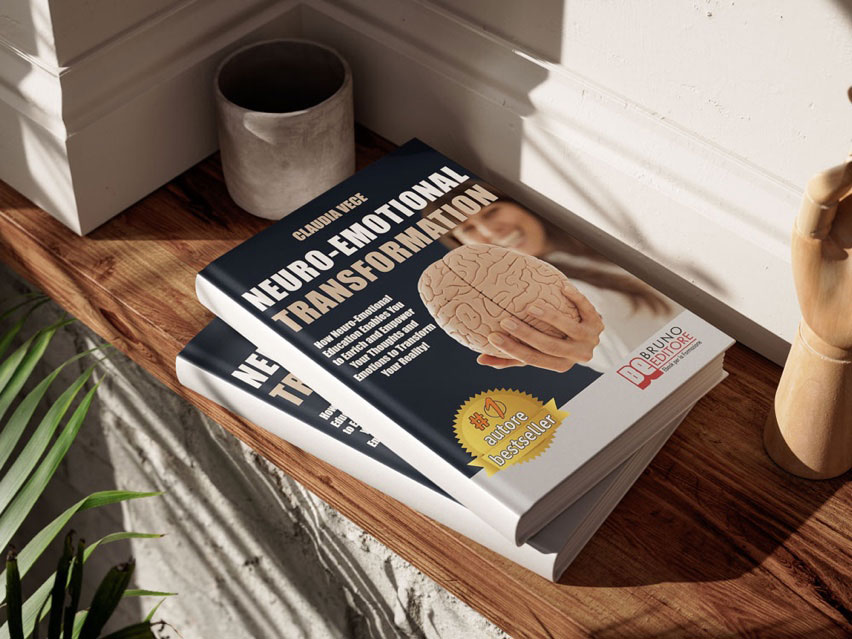
However, self-observation can have limitations when practiced without guidance or a group with whom to share and reflect, as the processes we observe may themselves be influenced by the act of observation. Despite this, self-observation remains one of the most direct ways to access and transform our inner processes, alongside practices such as neuro-emotional transformation, meditation and yoga.

How to Free Yourself from Conditioning and False Perceptions
The practice of presence and self-observation allows us to recognise illusions, limiting beliefs and distorted perceptions, bringing greater clarity to our inner nature and revealing the external influences that can unconsciously shape our actions and choices.
Daily practice helps us understand how we function internally and in our relationships with others, and how these patterns influence our lives, our relationships and our ability to achieve our goals.
Continuous self-observation invites us to move beyond inner judgements based on categories such as “right” and “wrong”, allowing us to enter a different state of being in which judgement and polarisation give way to greater presence, self-mastery and awareness of ourselves and of the way we contribute to shaping our lives.
This practice can play an important role in our inner development, helping us move beyond habitual limitations and develop a deeper awareness of ourselves and the world around us.

How to Join the “Quantasia Sadhana” Practice Group: What It Is and How It Works
The “Quantasia Sadhana” is a practice group dedicated to exploring self-observation and developing inner awareness. It provides a safe and supportive environment for those who wish to deepen their understanding of themselves and the world around them through regular practice.
The group meets regularly for guided practice sessions, during which tools and techniques for self-observation and the development of awareness are shared. Through meditation, reflection and shared experiences, participants are invited to explore their thoughts, emotions and behaviours in an environment based on support and mutual understanding.
If you are interested in joining the “Quantasia Sadhana”, please contact us to request the registration form.