Well-being is cultivated through common sense and through small daily actions and rituals that, over time, can support both physical and psychological health.
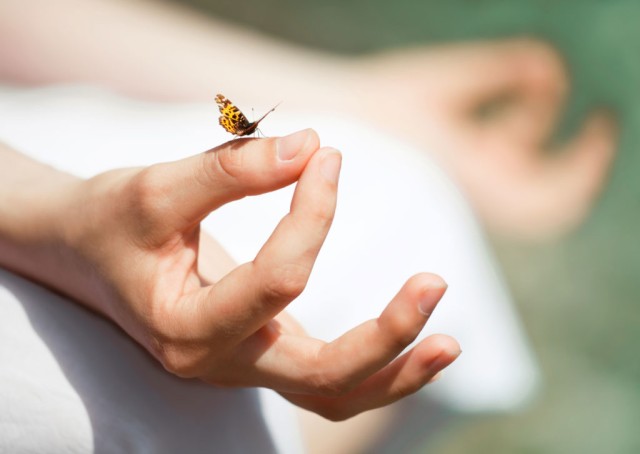
Health is not something we can simply take for granted. It is more like a seed held in our hands: something that deserves attention and care, day after day, so that it has the best possible conditions in which to grow.
Our health is constantly influenced by many factors, some beyond our control and others connected to our everyday choices. Prevention, healthy habits and appropriate healthcare can all contribute to protecting it over time.
Many of the things we do every day happen almost automatically. Through repetition, behaviours such as driving, eating, exercising and interacting with others can become habits that require less conscious attention.
If we want to change our lifestyle and improve our well-being, we therefore need to become aware of some of these automatic patterns and gradually replace them with more constructive ones. This requires consistency, patience and motivation, because creating a new habit takes time and repeated practice.
Some of the areas in which our conscious choices can make an important difference include:
- Developing more constructive thought patterns and greater emotional awareness
- Paying attention to what we eat and drink, prioritising a balanced and varied diet while limiting substances that can harm our health
- Protecting our body from avoidable environmental risks
- Incorporating regular movement and physical activity into everyday life

It may sound simple, but taking care of ourselves requires presence and awareness. It means regularly asking ourselves what we need and which choices are most appropriate for us at that particular moment.
Taking care of our health is also a process of self-education, built through repeated actions. Over time, behaviours that initially require conscious effort can become increasingly automatic.
When we try to change a well-established habit, resistance or discomfort can arise. This does not necessarily mean that something is wrong: changing familiar behavioural patterns often requires additional attention and effort until the new behaviour becomes easier to maintain.
Rather than focusing exclusively on what we want to eliminate from our lives, it can be useful to ask ourselves: what positive behaviour can I introduce instead?
Here are some examples of habits that can be incorporated into everyday life.
Nutrition
- Include a variety of vegetables and fruit in your meals throughout the day.
- Plan balanced snacks when useful, particularly if they help you avoid becoming excessively hungry before your next meal.
- Include plant-based sources of protein as part of a varied diet.
- Choose wholegrain foods where appropriate and favour foods that provide fibre and nutritional value. There is generally no need to reduce gluten unless you have coeliac disease, a diagnosed sensitivity or have been advised to do so by a healthcare professional.
- Prioritise minimally processed, nutrient-rich foods such as vegetables, fruit, legumes, whole grains, nuts and seeds while keeping highly processed foods as a smaller part of your overall diet.
- Try to eat regularly and, when possible, create a calmer environment around meals. Stress can influence appetite, digestion and eating behaviours.
- Stay adequately hydrated throughout the day. Individual fluid requirements vary according to factors such as body size, activity, climate and health, so there is no universal need to drink a fixed amount every hour.
Thoughts and Emotions
- Learn to use your thoughts constructively. Remembering past achievements and situations you managed successfully can help reinforce confidence and self-efficacy.
- Direct attention towards what is working and what you already have in your life, cultivating appreciation and gratitude.
- Focus on what you would like to build rather than constantly concentrating on what you fear or want to avoid.
- Try to approach other people without automatically assuming negative intentions.
- Recognise your uniqueness rather than constantly comparing yourself with others.
- Establish priorities and accept that you cannot do everything at once. Learning to postpone what is not essential can help reduce unnecessary pressure and perfectionism.
Body and Movement
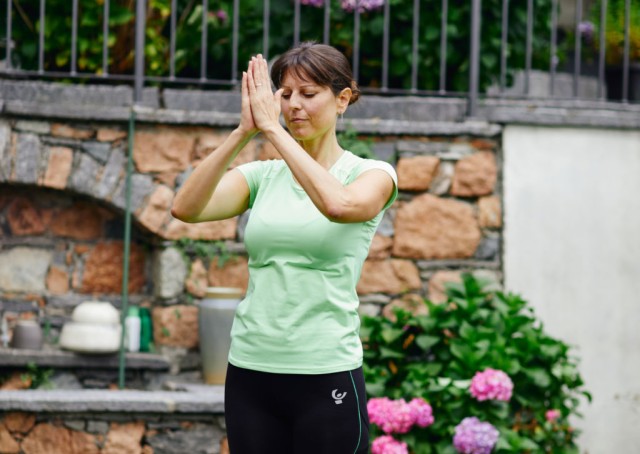
Our bodies are made to move. Regular physical activity can contribute to physical and psychological well-being, while conscious breathing practices can provide a useful opportunity to slow down and reconnect with the body.
Movement can support cardiovascular health, strength, mobility, mood, energy, sleep and healthy weight management. The most appropriate type and amount of exercise will naturally depend on the individual, their physical condition and their health.
Even a short walk outdoors, combined with greater awareness of your breathing and surroundings, can become a valuable daily ritual.
Taking care of yourself ultimately means introducing small, sustainable rituals of well-being into everyday life and taking an active role in the choices that are within your control.
It is not about perfection. It is about creating habits that, repeated consistently over time, can support a healthier and more balanced way of living.