Achieving a healthy balance between work and personal life is a goal shared by many, yet it can often feel difficult to attain. With increasing competition, professional commitments, growing demands and social expectations, finding a balance that allows you to achieve professional success while preserving personal well-being and fulfilment in other areas of life can be challenging.
However, with greater awareness, intentional choices and effective organisation, it is possible to restore balance and create a more satisfying and fulfilling way of living and working.
A useful starting point is to reflect on what truly matters to you in your life. This means exploring your core values and understanding what genuinely contributes to your well-being and sense of fulfilment.
Once you have identified your values, ask yourself what you really want to achieve in your personal life and define your priorities at this particular stage. Gaining clarity about your values and aspirations increases your awareness of who you are and what you want, helping you make more conscious, focused decisions that are aligned with yourself.
The key to balance is learning to invest your time and energy in what truly matters to you.
Another essential step towards achieving greater work-life balance is setting clear boundaries between yourself, your needs and the demands of the outside world.
For example, you might establish defined working hours and make a conscious effort to respect them. You may decide not to bring work home or to stop working after a certain time.
The goal is to protect your personal time: the space in which you can relax, enjoy life and dedicate yourself to the people and activities that are meaningful to you. This time deserves to be valued just as much as your professional commitments.
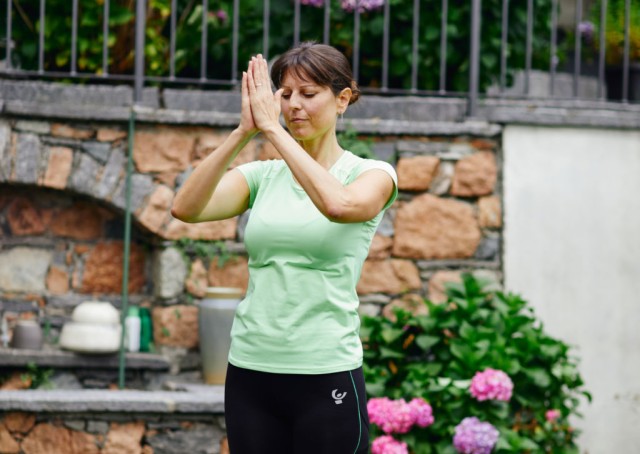
Another important aspect of work-life balance is integrating self-care into your everyday routine. Creating daily moments dedicated to your physical, mental and emotional well-being can help you reconnect with yourself and reduce stress.
You might dedicate thirty minutes a day to physical activity, even something as simple as a walk outdoors, spend twenty minutes meditating, or create time for reading and hobbies you genuinely enjoy. Remember that dedicating time to yourself is not a luxury. It is an important part of maintaining your overall well-being.
Organisation and planning can also be powerful tools for managing your time more effectively. Schedule dedicated personal time in your calendar, creating routines and protected spaces for activities that support your well-being and quality of life.
Another important step towards reclaiming your time and freedom is becoming more conscious of how you use technology. Constant connectivity can easily blur the boundaries between professional and personal life and consume time that could otherwise be dedicated to yourself.

Establishing healthy digital boundaries is therefore essential: let technology remain a useful tool without allowing it to invade your personal life.
Instead of spending all your free time on social media, consider dedicating more of it to meaningful experiences with family and friends or to activities you genuinely enjoy.
Personal relationships also deserve intentional attention. Spending quality time with the people who matter to you and creating meaningful moments together can make an important contribution to emotional well-being and overall life satisfaction.
Re-establishing a healthy balance between professional and personal life requires awareness, commitment and thoughtful planning. By keeping your priorities in focus, establishing clear boundaries and taking care of yourself and your relationships, you can pursue professional success without sacrificing your personal well-being.
If you are struggling to find the right balance and would like structured support in creating meaningful change, contact us to explore a personal development coaching journey tailored to your needs and goals.