Did you know that practicing conscious breathing every day can help you create inner calm and improve your concentration?
Breathing plays a fundamental role in our mental and emotional well-being, yet it is often overlooked despite its significant impact. Practicing conscious breathing exercises every day can make the difference between feeling stressed and overwhelmed or centered and present in the moment. Our body is closely connected to the autonomic nervous system, which acts as the body’s accelerator and brake, regulating many vital functions, including our response to stress.
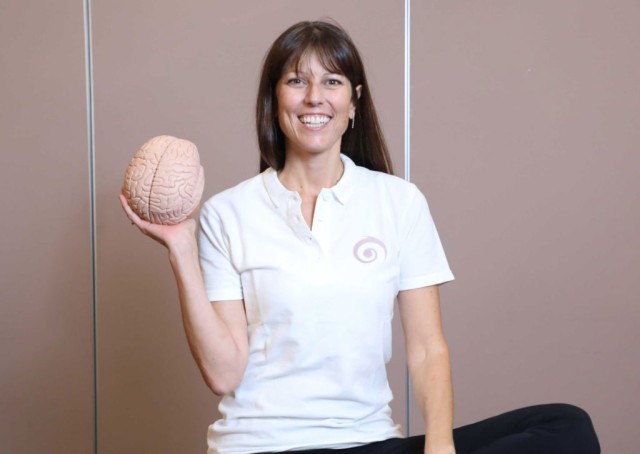
When we breathe deeply and consciously, we activate the parasympathetic nervous system, which acts as the body’s “brake” and is responsible for relaxation, rest and digestion. This system counteracts the effects of the sympathetic nervous system—the accelerator—which is associated with the “fight or flight” response typically activated during stressful situations. In other words, through controlled, deep breathing, we can stimulate the parasympathetic nervous system and promote a state of calm that can help reduce anxiety, improve mental clarity and foster an overall sense of well-being.
Conscious breathing is the bridge that connects mind and body, bringing us into the present moment and giving us greater calm and clarity.
In this article, we will explore how specific breathing techniques can be used to manage stress and promote mental and physical well-being. We will look at the scientifically supported benefits of conscious breathing and provide practical advice on how to integrate these techniques into your daily routine to improve your quality of life.
The Roots of Breathwork: Techniques and Exercises
Conscious breathing practices have deep roots in yoga, an ancient discipline that brings together mind, body and spirit. In yoga, breathwork is known as “pranayama,” which refers to the regulation of prana, or vital energy. Practicing pranayama, or breathwork, not only helps improve breathing capacity but can also have a profound impact on the nervous system and overall well-being.
Some of the most common breathing techniques include:
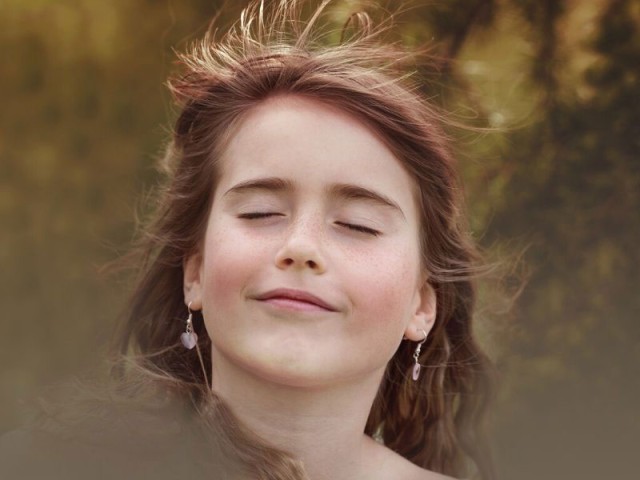
Slow, deep breathing: To practice this exercise, sit in a comfortable position, close your eyes and breathe slowly and deeply through your nose: inhale for six seconds, pause for three seconds, exhale for six seconds, then pause again. Focus on allowing the breath to expand fully and then exhale slowly. This technique can help calm the nervous system and reduce stress.
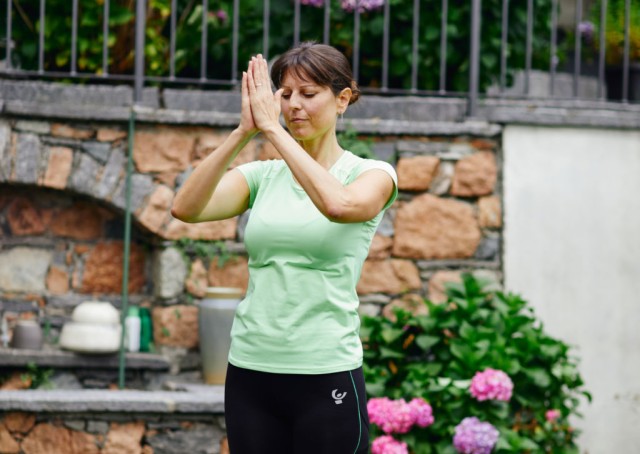
Alternate nostril breathing: Sit comfortably and use your right thumb to close your right nostril. Inhale deeply through your left nostril, then close the left nostril with your right ring finger and open the right nostril, exhaling through it. Continue by alternating nostrils. This technique is traditionally used to promote balance and improve concentration.
Skull-shining breath: Sit in a comfortable position and inhale deeply. Then exhale quickly and forcefully through your nose while contracting your abdominal muscles. Continue with a series of short, active exhalations. This energizing breathing technique is traditionally used to stimulate alertness and vitality.
Practicing these techniques regularly can help improve your ability to manage stress and promote a more lasting sense of well-being.

The Benefits of Daily Conscious Breathing for Mind, Body and Spirit
Daily conscious breathing can offer numerous benefits for the mind, body and overall sense of well-being.
Conscious breathing can support mental well-being, helping to reduce feelings of anxiety and stress while improving concentration and mental clarity. Regular breathing practices can also promote relaxation before sleep and help quiet racing thoughts at night.
Deep breathing supports efficient breathing and can promote physical relaxation. By encouraging activation of the parasympathetic nervous system, conscious breathing may help reduce muscular tension, support cardiovascular regulation and promote healthy digestive function.
Daily conscious breathing can also foster a deeper connection with yourself, promoting a greater sense of inner peace and harmony. Regular practice can help cultivate greater self-awareness and a sense of spiritual connection, regardless of your personal religious or spiritual beliefs.
How to Integrate Conscious Breathing into Your Daily Routine
Integrating conscious breathing into your daily life does not need to be complicated. Instead, it can become an enjoyable moment of self-care that you look forward to.
A simple way to establish a routine is to begin your day by dedicating 5–10 minutes to breathing practice. You can choose one of the techniques described above or simply focus on taking slow, deep breaths.
Throughout the day, you can also take short breaks to focus on your breath and bring your attention back to the present moment. Even just a few minutes of conscious breathing can help reduce stress and restore a sense of energy and focus.
You can also incorporate breathing exercises into your meditation practice to deepen awareness and enhance the overall experience.
Learning to dedicate time to conscious breathing can gradually transform the way you approach everyday life, supporting mental and physical well-being and creating a stronger foundation from which to face daily challenges with greater calm, presence and clarity.